
Apple Health AI Study app: who can join and how it works
Apple's new Health AI Usage Study app, built with OpenEvidence, answers health questions with citations. Who can join, what data it uses, and the privacy rules.
Checked and updated 16 November 2026 at 03:45 UTC
Key points
- Apple launched the Apple Health AI Usage Study on November 15, a US research study with its own iPhone app where you ask everyday health questions and get answers with linked medical citations.
- The answers come from OpenEvidence, a clinical AI tool used by doctors, and you can choose to share Health data like resting heart rate, sleep, activity or lab results.
- It's open to up to 200,000 people in the US aged 21+, with an Apple Intelligence iPhone (iPhone 15 Pro or later) on iOS 26 or later. Apple says study data won't train AI models.
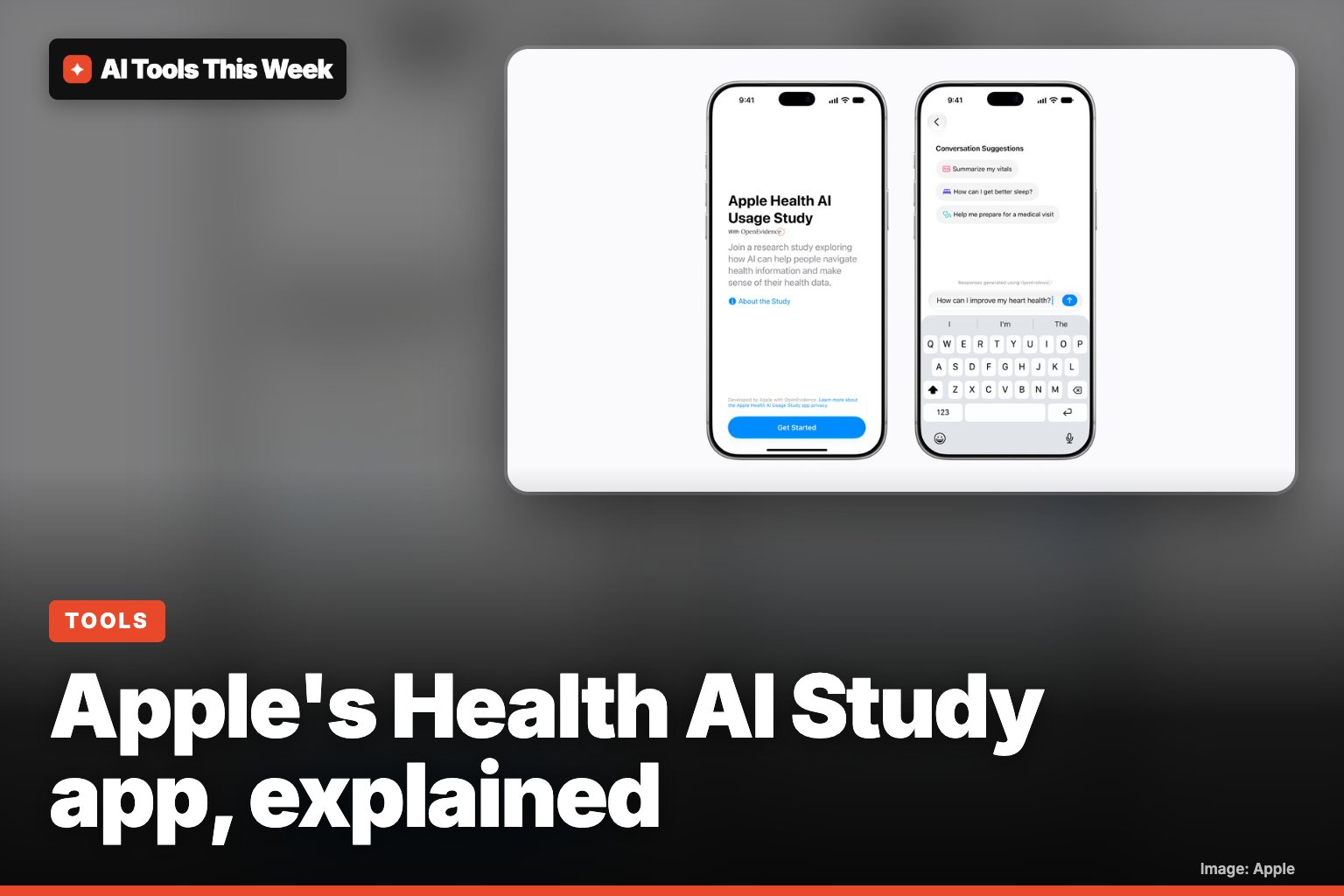
Apple's Health AI Usage Study is a new US research study with its own iPhone app: you ask everyday health questions, and AI from the clinical tool OpenEvidence answers in plain language with links to the medical studies behind each answer. It's open to up to 200,000 people aged 21 or older in the United States with an iPhone 15 Pro or later on iOS 26 or later.
Apple announced it on November 15. It's the closest Apple has come to a health chatbot, but it's framed as research, not a new Siri feature.
What the app does
From Apple's announcement:
- Answers health questions in approachable language, for example how to sleep better or improve heart health.
- Shows its sources. Each answer links to peer-reviewed clinical citations. OpenEvidence draws on sources such as The New England Journal of Medicine, JAMA and Nature.
- Can use your Health data, if you allow it. You can share resting heart rate, activity, sleep or lab results from the Health app to see whether personal data makes answers more relevant.
- Helps you prepare for a doctor's visit, including a visit prep summary.
- Asks you to rate answers in surveys, which is the actual research part.
- Has safety guardrails. It tries to spot worrying questions and suggests following up with a provider or other resources.
Apple's footnote is clear: the app doesn't diagnose or treat anything and doesn't replace a doctor.
Who can join
| Requirement | Detail |
|---|---|
| Age | 21 or older |
| Where | United States |
| iPhone | Apple Intelligence-capable (iPhone 15 Pro or later) |
| Software | iOS 26 or later |
| Places | Up to 200,000 participants |
How to join: download the study app from the App Store, read the study details inside it, and choose to enroll. TechCrunch reports the study runs for more than 12 months, with monthly surveys.
Privacy: what Apple and OpenEvidence do with your data
- No AI training. Apple says study data won't be used to train AI models.
- You choose what to share. Health data and survey answers are optional.
- Short retention at OpenEvidence. According to TechCrunch, data is anonymized before going to a secure third-party cloud provider, and OpenEvidence deletes questions and answers after 24 hours.
Health questions are some of the most sensitive things you can type into an AI. If you're weighing cloud tools against ones that stay on your phone, our explainer on on-device vs cloud AI covers the trade-offs.
Why Apple is doing it this way
Apple's VP of Health, Sumbul Desai, framed the study as a way to learn, with scientific rigor, how people use and judge health AI before building more of it. UCSF's Robert Wachter, quoted in the announcement, argued that patients and doctors do better when they lean on the same trustworthy tools.
TechCrunch points out the contrast with OpenAI and Anthropic, which offer general-purpose chatbots that people already use for health questions. Apple hasn't said whether AI health answers will reach the Health app or Siri. For what Apple has shipped so far, see Siri's AI features on Apple TV and Gemini on Apple CarPlay.
Should you join?
If you're in the US, have a recent iPhone and are curious how a citation-backed health assistant compares with asking ChatGPT, it's an easy way to try one, with stricter data rules than most consumer chatbots. If you're outside the US or on an older iPhone, you can't join yet.
AI Tools This Week is not affiliated with Apple or OpenEvidence. This page is not medical advice.
Frequently asked questions
Who can join the Apple Health AI Usage Study?
People aged 21 or older who live in the United States and have an Apple Intelligence-capable iPhone (iPhone 15 Pro or later) running iOS 26 or later. Apple is enrolling up to 200,000 participants. You download the study app, read about the study inside it, and choose to enroll.
Is this Siri or Apple Intelligence answering health questions?
No. The answers are generated with OpenEvidence, and the app is a separate research app. TechCrunch notes it's still unclear whether Apple will bring AI health answers to the Health app or Siri.
What happens to my health data?
Apple says study data won't be used to train AI models, and sharing Health data or survey answers is optional. TechCrunch reports that data is anonymized before going to a third-party cloud provider and that OpenEvidence deletes questions and answers after 24 hours.
Sources
Related
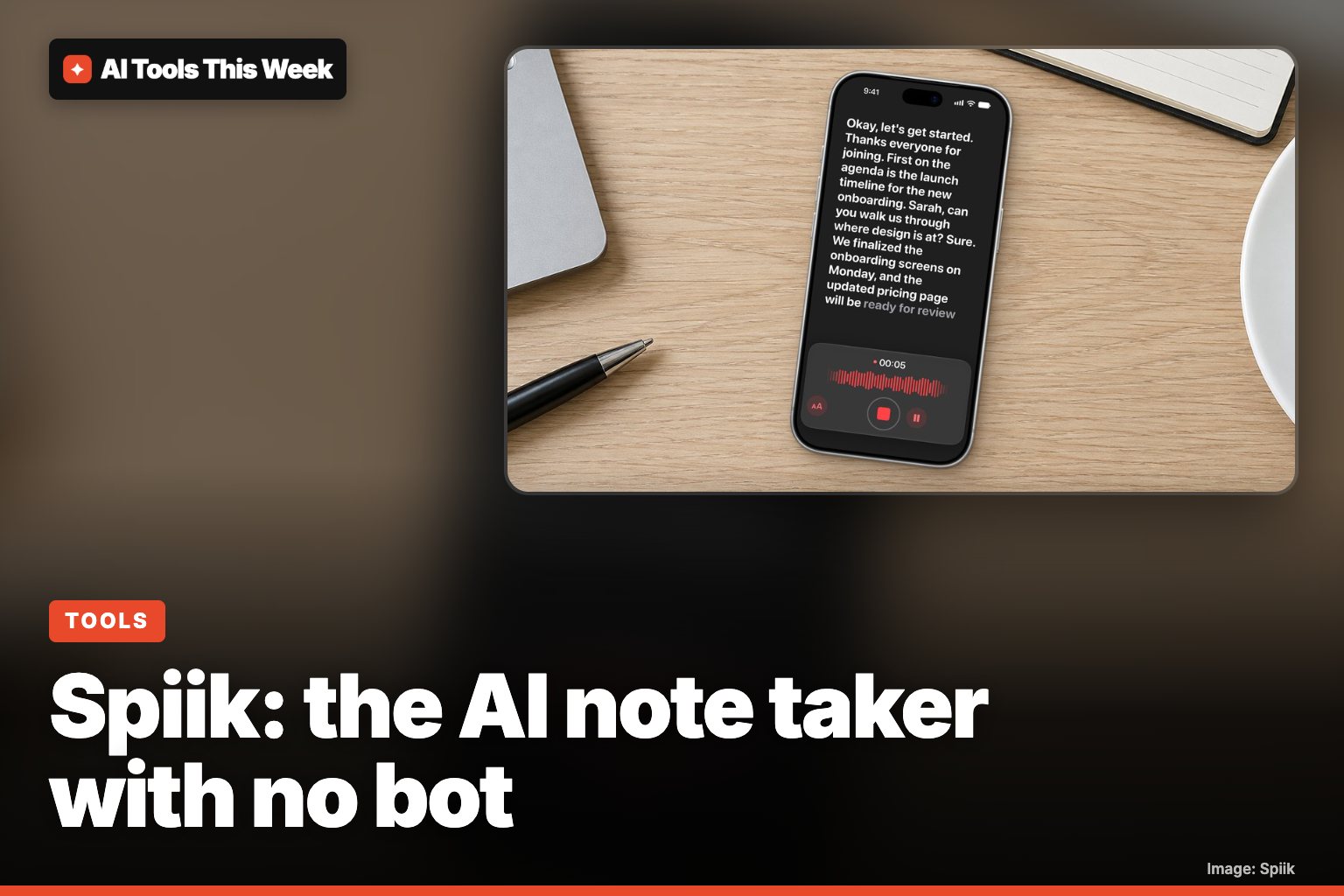
Spiik: what it is and is it free? (Nov 2026)
Spiik records meetings and lectures on iPhone and Mac with no bot joining the call. What's free, what Spiik Pro costs, and what to know first.
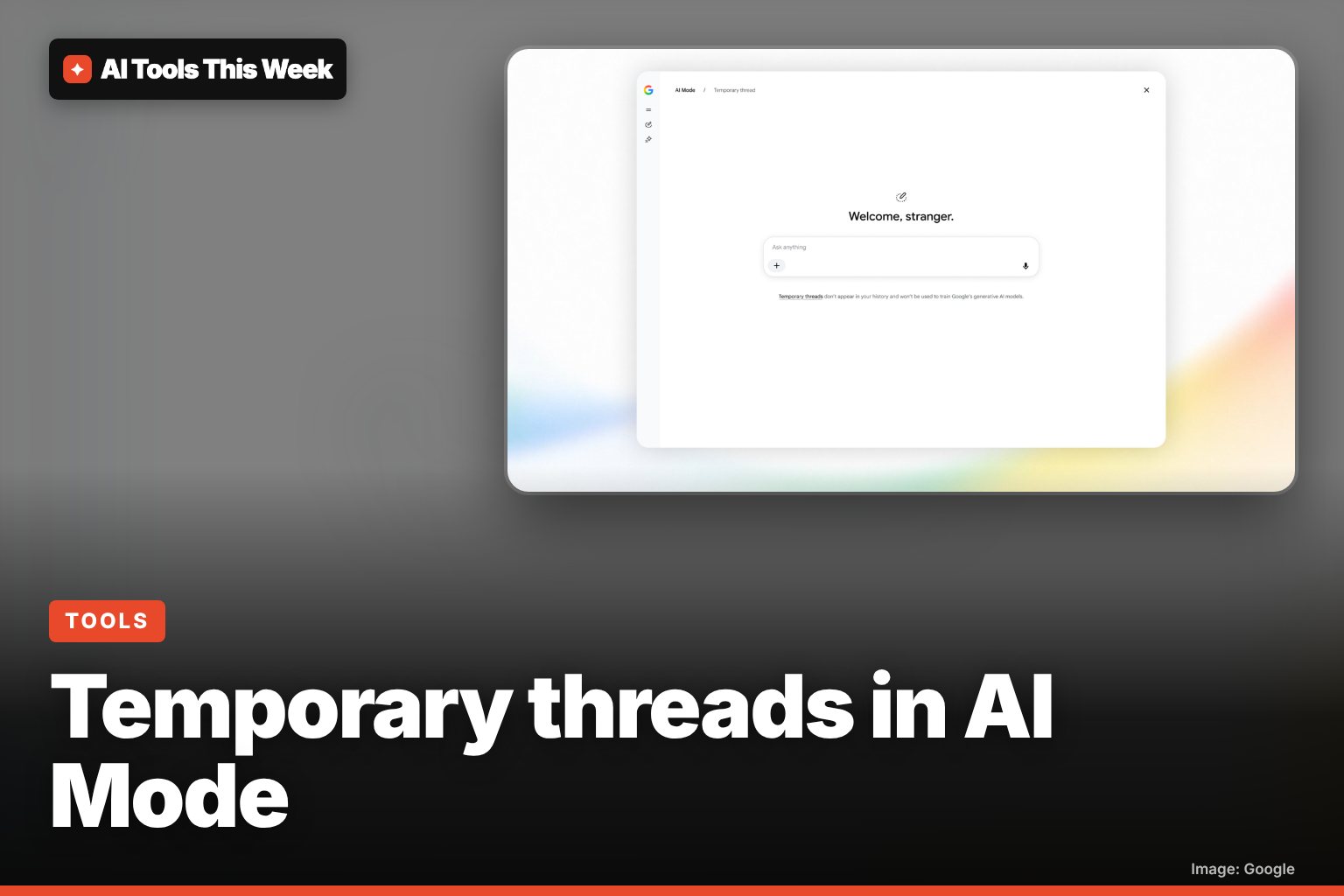
Google AI Mode temporary threads: how to search without history
Temporary threads in Google AI Mode aren't saved to your history or used for personalization. Start one from the top-right icon, on desktop or mobile.
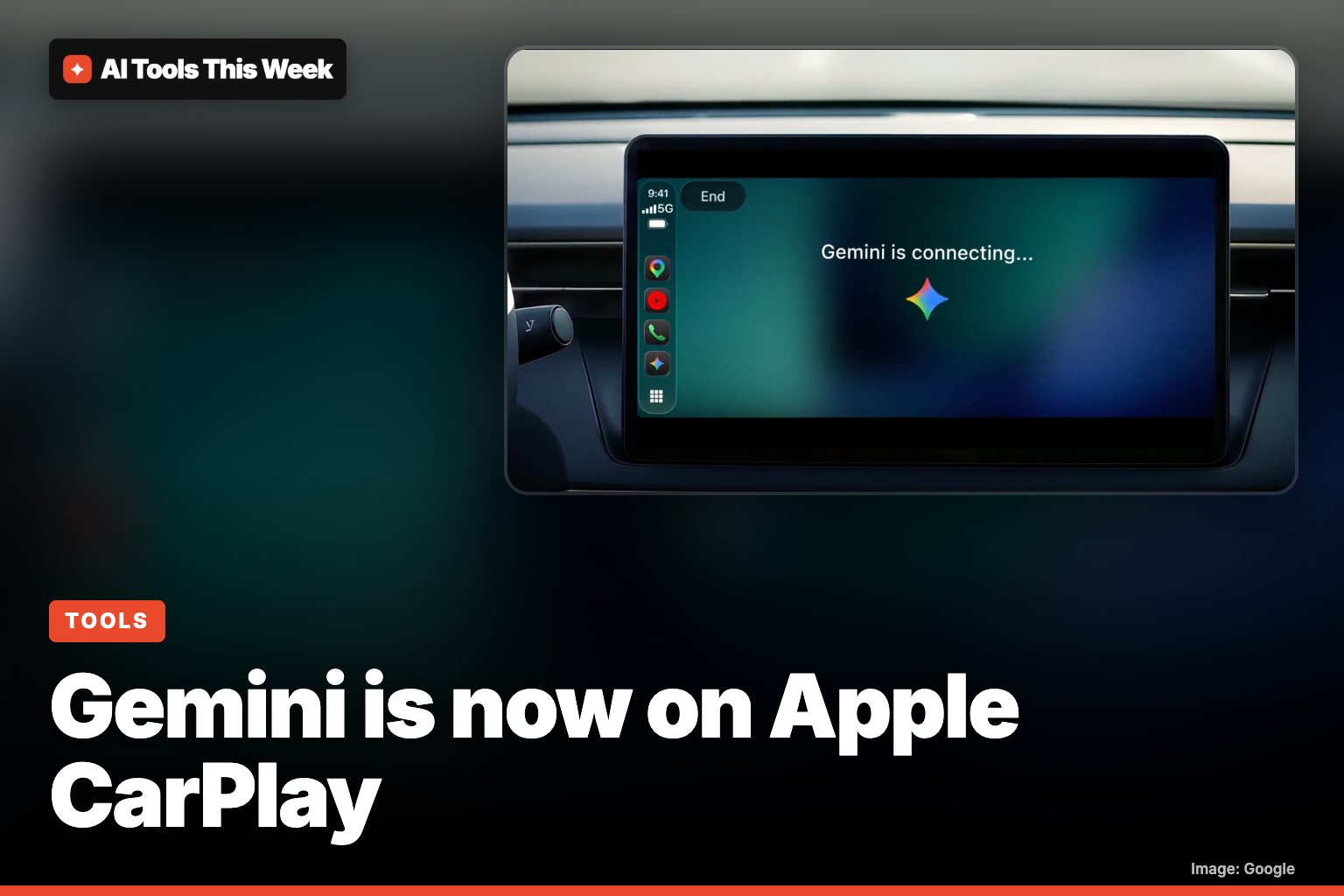
Gemini on Apple CarPlay: how to use it (November 2026)
Google's Gemini now works on Apple CarPlay with hands-free Gemini Live. How to set it up, what you can ask, and who can use it.