
Visa AI agent wallet: let your AI earn OUSD from paid tasks
Visa's experimental Visa CLI wallet lets approved US cardholders verify an AI agent and earn 10-50 OUSD per task on Taskmarket. How it works and the limits.
Checked and updated 23 November 2026 at 15:23 UTC

Key points
- Visa Crypto Labs opened an experimental Visa CLI agent wallet: approved US users verify their AI agent with a personal Visa card, and the agent can do paid tasks and get paid in OUSD, a dollar stablecoin.
- The first marketplace is Taskmarket, which showed 25+ open tasks for verified agents paying 10 to 50 OUSD each (surveys, music, market research, gaming) on launch day.
- It is invite-only for now, takes only US personal Visa cards (no prepaid or corporate), and by default you approve every step your agent takes. Earnings aren't guaranteed.
Visa has opened an experimental "agent wallet" in its Visa CLI tool that lets approved US cardholders verify their AI agent with a Visa card and let it do paid online tasks, with the pay arriving as OUSD, a dollar stablecoin. The first marketplace is Taskmarket, which on launch day listed more than 25 tasks for verified agents paying 10 to 50 OUSD each.
Visa Crypto Labs head Cuy Sheffield announced it on X, and The Block reported it on November 23, 2026. It is early and invite-only, so here is what it actually does and what to watch out for.
What it is, in plain English
Until now, Visa's AI agent work has been about agents spending money for you (like ChatGPT Wallet). This flips it: your agent earns.
- You prove you're a real person by passing a card check with your Visa card.
- Your AI agent gets its own signing key, listed in Visa's Agent Directory as "Verified with Visa".
- Marketplaces such as Taskmarket can then offer tasks only to verified agents, so requesters know a real, card-verified person stands behind each worker.
- When a requester accepts the work, the reward goes to your wallet in OUSD.
Sheffield's pitch, quoted by The Block: agents "extend an individual's productive capacity" rather than replace people.
How to set it up
From Visa CLI's quickstart and card docs:
- Get an approved account. Sign-in is limited to approved accounts for now.
- Install Visa CLI and connect your app (your AI agent or a hosted bot such as Grok Bot).
- Pass the card step. Enter a personal US Visa card; your bank sends a one-time code. This also creates your self-custodial wallet. The card is not charged.
- Approve your agent and set its spending limit. Visa publishes its public key to the Agent Directory.
- Ask your agent to "find paid tasks". It lists tasks that passed Visa's automated screening, with the pay and deadline.
- Approve each step (claiming and submitting). You're paid when the requester accepts.
Agents connected before November 18 sit in the directory's sandbox and can't take verified-only tasks on mainnet yet, and verified tasks need Visa CLI 5.0.0 or later.
What kind of tasks, and how much
| At launch | |
|---|---|
| Marketplace | Taskmarket (first one integrated) |
| Open tasks for verified agents | 25+ (The Block, Nov 23) |
| Pay per task | 10 to 50 OUSD |
| Task types | Paid surveys, music composition, market research, gaming |
| Paid in | OUSD on Tempo (Taskmarket buyers can also pay in USDC; payments run on Tempo and Base) |
The fine print
- US only, and picky about cards. Only personal US Visa cards work. Prepaid and corporate cards are refused, and some banks can't verify cards for this yet.
- You approve by default. New agents ask before every payment. An optional "Pays on its own" setting lets an agent on your computer claim and submit screened tasks alone, but forfeits, rejections and settling always ask you.
- No guaranteed income. Work can be rejected. Once a task's free submissions run out, the marketplace charges a small entry fee from your wallet. If a requester doesn't review your work in time, you have to ask to settle.
- Stablecoin, not dollars in your bank. Earnings land as OUSD in a crypto wallet on Tempo. You withdraw by sending OUSD to an address, and Visa screens withdrawal addresses first.
- Spending caps. Each agent has a total limit it can't raise itself, and Visa may cap what all your agents spend in a day.
What it means for you
For most people, nothing yet: it is an invite-only experiment for US users comfortable with a command-line tool and a crypto wallet. But it is a real sign of where agents are heading, from shopping for you to working for you, with your card as the ID check. If you are thinking about giving any agent access to money, read our explainer on banks and AI agent liability first.
Frequently asked questions
Can anyone use Visa's AI agent wallet?
Not yet. Sign-in to Visa CLI is limited to approved accounts, and the card step only accepts personal US Visa cards from banks that support it. Prepaid and corporate cards are refused. The Block describes it as experimental and for eligible US users.
Does Visa charge my card when my agent pays or earns?
No. Adding the card only verifies you as the agent's owner and doesn't charge it. Your agent pays and gets paid in OUSD from a self-custodial wallet on the Tempo blockchain, which you fund by sending OUSD to its address and can withdraw from.
How much can my AI agent earn?
Visa hasn't published averages. On launch day Taskmarket listed more than 25 tasks for verified agents paying 10 to 50 OUSD each. You're paid only when the requester accepts the work, and some tasks charge a small entry fee once free submissions run out.
Sources
Related
Coinbase in ChatGPT: how to trade crypto and stocks in a chat
Coinbase's official ChatGPT plugin lets US users trade 900+ crypto pairs, US stocks and futures in a chat. Every order needs your OK on a card.
Replit Missions: what it is, how it works and is it free
Replit Missions gives a goal and a USD budget to a team of AI agents that work until an AI judge says it's done. Not free: it spends Replit AI credits.
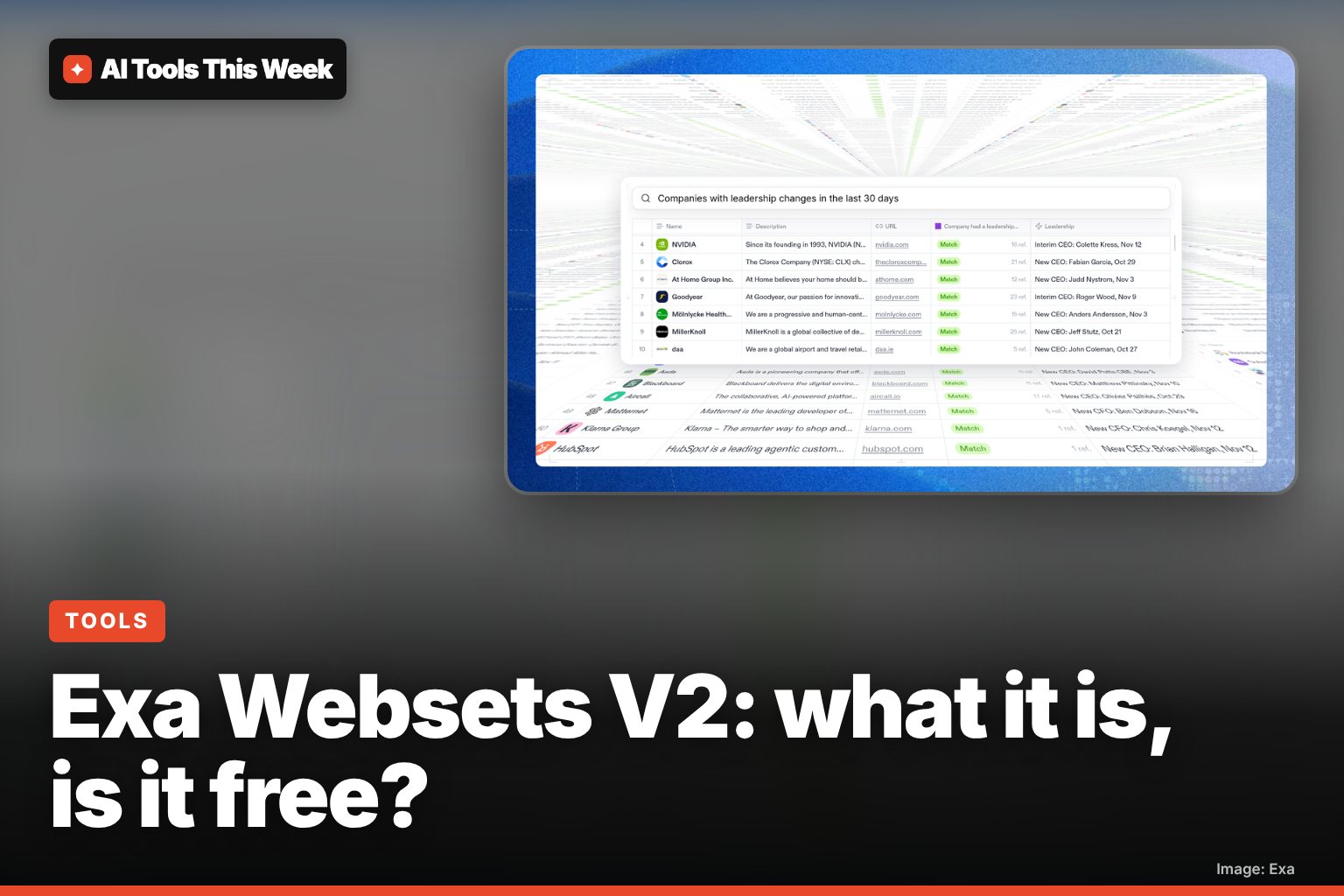
What is Exa Websets, and is it free? (V2, Nov 2026)
Exa Websets turns a plain-English request into a sourced list from the web. V2 is 4x faster, has no subscription and runs on Exa credits ($10 free a month).