
Gemini 4 Hydrogen: what's new, price and who can use it
Google released Gemini 4 Hydrogen on November 12, 2026, a fast model for everyday agent work. Where it is available, what it costs and how it compares.
Checked and updated 12 November 2026 at 21:20 UTC
Key points
- Google started rolling out Gemini 4 Hydrogen worldwide on November 12, 2026 as its fast model for everyday coding and agent tasks.
- Free Gemini app users get it through automatic model selection, and it is also in Google Search, AI Studio and the Gemini API.
- The API price is $1.50 per million input tokens and $7.50 per million output tokens, flat across the full 1 million token window.
Gemini 4 Hydrogen is Google's new fast model for everyday AI work, released on November 12, 2026. It is rolling out worldwide in the Gemini app, Google Search, Google AI Studio and the Gemini API, and it costs developers $1.50 per million input tokens and $7.50 per million output tokens.
Google calls it a "daily driver" for agent workflows: the model that does the doing (editing files, running tests, calling tools) while the bigger Gemini 4 models do the long thinking.
Where you can use it
| Where | Who gets it |
|---|---|
| Gemini app | In the model menu; free users get it when auto model selection picks it |
| Google Search | All users, globally |
| Google AI Studio and Gemini API | All tiers |
| Google Antigravity (coding agent app) | Paid Google AI Pro and Ultra subscribers |
| Gemini in Google Sheets | Starting with Google AI Pro and Ultra, plus eligible business plans |
| Gemini for business | Through the API, the model menu and Antigravity |
Google says the rollout starts today, so it may take a little while to show up in your account. The announcement does not say whether the API model is a preview or generally available.
What it costs
For developers the price is flat across the whole context window, which is unusual: many models charge more once a prompt gets very long.
| Price per 1 million tokens | |
|---|---|
| Input | $1.50 |
| Output | $7.50 |
The model reads up to 1 million tokens and can write up to 1 million tokens back. For comparison, Gemini 4 Carbon lists at $2 in and $10 out until November 30 (see our Gemini 4 Carbon explainer).
How fast and how smart
All numbers here are Google's own, not independent tests:
- Speed: finishes tasks about 2.5 times faster than Gemini 3.8 Flash at its default setting. Early partners saw 2x to 2.8x faster runs with 12% to 23% fewer tokens.
- Overall score: 51 on the Artificial Analysis Intelligence Index at the default "high" setting, versus 50 for Gemini 4 Argon, and 54 at the new "xhigh" setting.
- Coding in a terminal: 57% on Terminal-Bench 4.1, up from 18.2% for 3.8 Flash.
- Thinking levels: low, medium, high (default) and a new xhigh, so apps can trade speed for depth.
Google also says Hydrogen is better behaved as an agent: up to 81% less "overreach" (doing more than asked) and up to 2 times less likely to step past permission limits. Those are the kinds of mistakes that matter when an AI agent is acting for you.
What is Orchestrator?
Inside Google Antigravity there is a new option called Orchestrator. It pairs two models in one task: Gemini 4 Carbon explores and plans, and Hydrogen makes the edits, updates packages and runs tests. If Hydrogen gets stuck, the task goes back to Carbon to fix the plan.
Google says this gets close to Carbon's success rate while using about 24% less quota and finishing about 19% faster on average. Orchestrator is for Google AI Ultra subscribers only for now.
What it means for you
If you use the free Gemini app, you do not have to do anything. Auto model selection will route some of your prompts to Hydrogen, and answers that need tools or several steps should come back faster.
If you pay for Google AI Pro or Ultra and write code, try Hydrogen in Antigravity for routine jobs and save Carbon for the hard ones. Developers comparing costs can also look at Google's other new release this week, the Gemini Decisions API, for tasks that only need a yes/no or a score.
AI Tools This Week is not affiliated with Google.
Frequently asked questions
Is Gemini 4 Hydrogen free?
In the Gemini app, free users get it when auto model selection decides it fits the prompt, and it powers features in Google Search for everyone. Developers can try it in Google AI Studio. In Google Antigravity and Google Sheets it needs a paid Google AI Pro or Ultra plan.
What is the difference between Gemini 4 Hydrogen, Argon and Carbon?
Hydrogen is the fast, cheaper model for everyday execution, such as editing code, running tests and calling tools. Argon and Carbon are Google's bigger frontier models for deep, long reasoning. Google says Hydrogen scores 51 on the Artificial Analysis Intelligence Index, one point above Argon's 50.
Does Gemini 4 Hydrogen replace Gemini 3.8 Flash?
Google pitches it as the upgrade for teams moving off Gemini 3.8 Flash and says it finishes tasks about 2.5 times faster. Google's post does not give a shutdown date for 3.8 Flash.
Sources
Related
Gemini 4 Neon: price, Gemini app and Copilot availability
Gemini 4 Neon is in the Gemini app for AI Pro and Ultra, GitHub Copilot Pro+ and the API at $3/$15 per 1M tokens. No free tier.
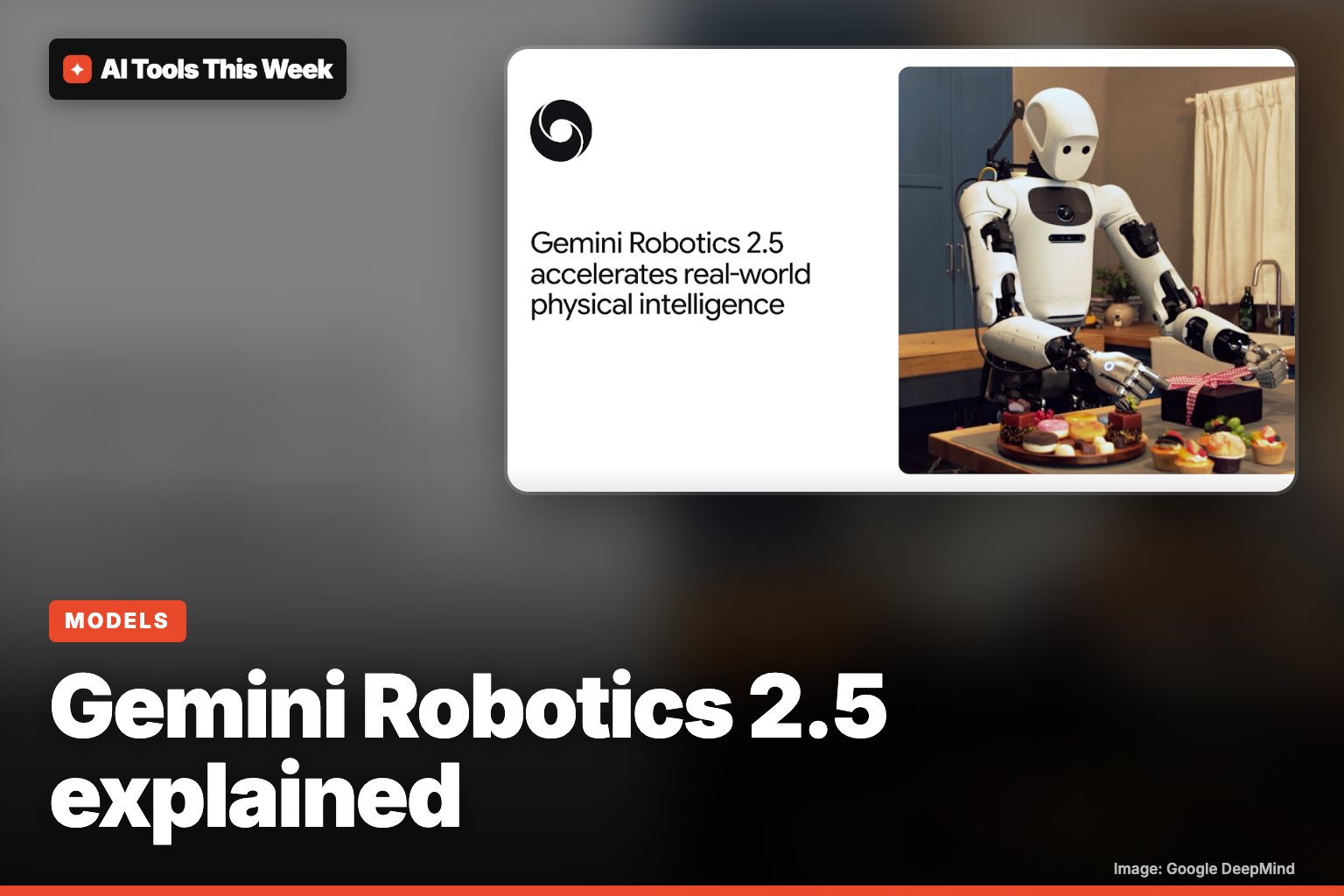
Gemini Robotics 2.5: what Google's robot AI can do
Google DeepMind's Gemini Robotics 2.5 controls robot arms and hands. What's new, the Mercedes-Benz test, who can use it and what it means for you.
Gemini Decisions API: what it is, price and is it free
Google's Gemini Decisions API answers yes/no, multiple-choice and scoring questions in about 150 to 250 ms. What it does, what it costs and who it is for.
Mentioned in
- Gemini 4 Neon: price, Gemini app and Copilot availability
- Gemini Tasks is now free: calls, shopping and how to use it
- GPT-6.2 Astra and Sol: what's new, price and who gets it
- Ask Maps new features (Nov 2026): appointments, trips, Europe
- Samsung Intelligent Eyewear (2026): price, release date, phones
- Gemini Robotics 2.5: what Google's robot AI can do
- Kimi K3.1 Pro: what it is and is it free?
- Google AI in schools: off by default, but Search comes with AI
- Gemini 4 Carbon: who can use it (now AI Pro), price, /swarm